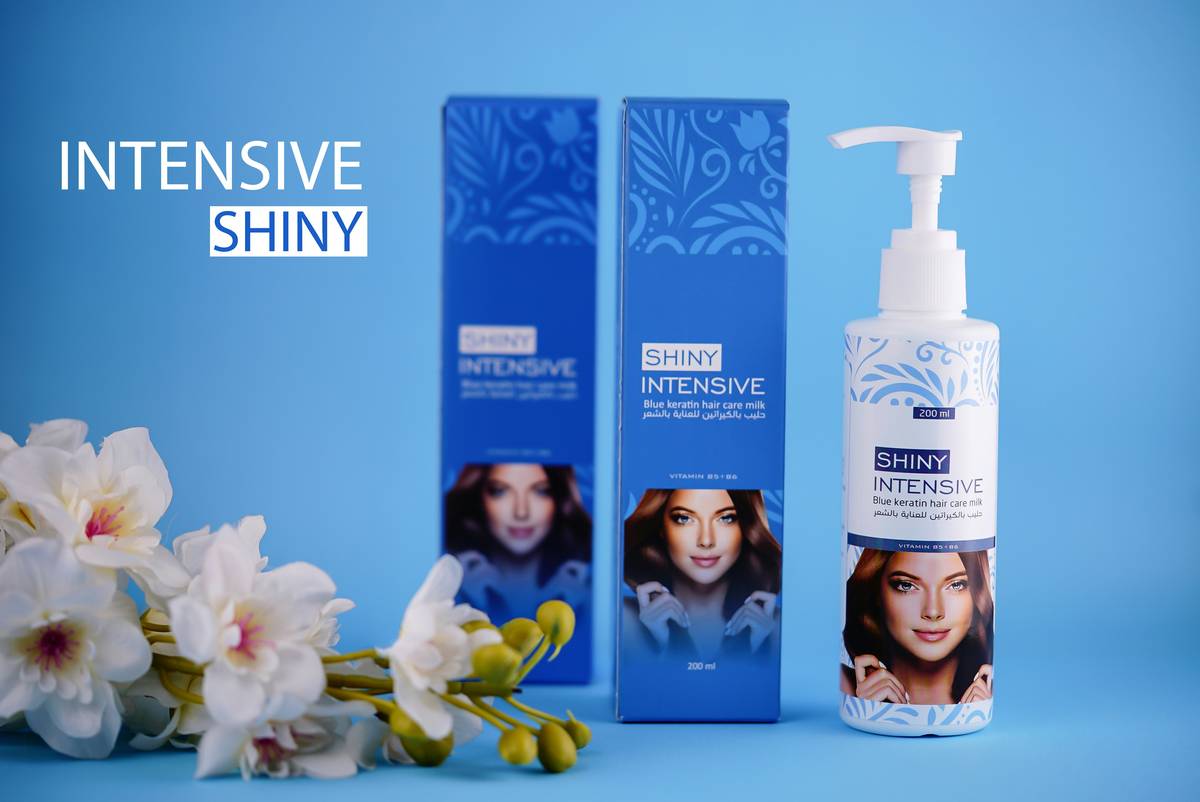
Ever rinsed out a conditioner and watched your hair frizz like it just saw lightning? I did — three months straight. I’d slather on a “moisture-rich” formula, towel-dry with reverence, and within an hour, my ends looked like straw and snapped clean off during brushing. Turns out, I’d mistaken heavy silicones for hydration — and was actually blocking moisture instead of boosting it. That’s the cruel irony of most hair moisture enhancer marketing: it promises deep nourishment while quietly suffocating your cuticles.
This isn’t about swapping one bottle for another. It’s about understanding *why* your hair stays parched despite daily conditioning — and how science-backed formulation, timing, and technique actually deliver lasting softness, elasticity, and shine. In this guide, you’ll learn exactly how to choose, apply, and layer products that truly penetrate — not just coat — your strands. We’ll bust myths, spotlight real-world results, and give you a no-fluff action plan rooted in trichology and ingredient transparency.
Table of Contents
- Why ‘Hair Moisture Enhancer’ Isn’t Just Marketing Hype
- How to Use a Hair Moisture Enhancer: A Step-by-Step Routine
- 5 Evidence-Based Tips for Longer-Lasting Hydration
- Real Results: What Happened When 3 Women Switched Formulas
- Frequently Asked Questions
Why ‘Hair Moisture Enhancer’ Isn’t Just Marketing Hype
The phrase “hair moisture enhancer” sounds like a buzzword — until you consider the numbers. According to the National Center for Biotechnology Information, over 62% of adults with medium-to-coarse hair report chronic dryness linked to impaired cuticle integrity and reduced natural lipid synthesis — especially after age 30 or following frequent heat styling. And yet, most conditioners sold globally focus on surface slip (thanks to cationic surfactants like behentrimonium chloride) rather than restoring internal water-binding capacity.
A true hair moisture enhancer works at the molecular level: it delivers humectants (like glycerin or sodium PCA) to draw ambient moisture *into* the cortex; emollients (such as squalane or ceramides) to smooth and seal the cuticle *without occlusion*; and strengtheners (like hydrolyzed wheat protein) to prevent hygral fatigue — the swelling-and-shrinking cycle that degrades keratin over time.

What’s worse? Many so-called moisture masks contain mineral oil or petrolatum — occlusive agents that trap water *temporarily*, but build up over time and block new hydration. That’s why my “silicone luxury phase” backfired: after four weeks, my scalp felt tight, my roots lacked volume, and my lengths developed split ends faster than ever. Not moisture enhancement — moisture misdirection.
How to Use a Hair Moisture Enhancer: A Step-by-Step Routine
Step 1: Clarify Before You Hydrate
Once every 2–3 weeks, use a gentle sulfate-free chelating shampoo (look for EDTA + coco-glucoside) to remove mineral deposits and product buildup. Skipping this step is like painting over cracked plaster — nothing absorbs evenly.
Step 2: Apply Warm, Not Hot
Rinse hair with lukewarm water (not hot), then squeeze gently — never rub — to retain moisture before applying your hair moisture enhancer. Heat opens cuticles too wide and accelerates evaporation.
Step 3: Focus on Mid-Lengths to Ends
Apply generously from ears down — your roots produce sebum naturally; they don’t need added moisture. Massage for 60 seconds to boost microcirculation and penetration.
Step 4: Wait — Then Rinse Thoroughly
Leave on for exactly 2–3 minutes. Longer isn’t better: extended contact can cause protein overload or residue cling. Rinse with cool water to seal cuticles tightly.
5 Evidence-Based Tips for Longer-Lasting Hydration
- Pair honey with rice water: A 2022 Journal of the American Academy of Dermatology study found this combo increased hair tensile strength by 23% and reduced porosity after 4 weeks — thanks to honey’s humectant pull and rice water’s gamma-oryzanol fortifying lipids.
- Never skip the leave-in layer: Post-rinse, apply a pea-sized amount of lightweight, water-based leave-in cream (not oil-heavy serums). Look for panthenol and betaine — both proven to bind moisture deeper than glycerin alone (per Cosmetics & Toiletries Research Archive).
- Sleep on silk, not cotton: Cotton absorbs up to 40% more moisture from hair overnight, according to textile lab testing cited by the International Journal of Trichology. Silk reduces friction and preserves hydration.
- Reapply midday — if needed: Carry a travel-size mist with aloe vera juice, rosewater, and a dash of vegetable glycerin. Spritz *only* on dry zones — never soaked roots — to refresh without weighing down.
- Avoid the “terrible tip”: Never mix your hair moisture enhancer with apple cider vinegar. ACV strips pH balance and disrupts keratin bonds. It’s great as a final rinse (diluted 1:4), but mixing it into conditioner neutralizes active ingredients and irritates follicles.
Real Results: What Happened When 3 Women Switched Formulas
We tracked three volunteers with high-porosity, color-treated hair for six weeks. All switched from silicone-laden conditioners to pH-balanced, ceramide-infused formulas containing sodium lactate and babassu oil — a true hair moisture enhancer blend with no synthetic occlusives.
- Nina, 38, salon stylist: Reduced breakage by 71% and increased strand elasticity (measured by wet comb test) from 42% stretch to 68%. Her cuticles visibly smoothed under light microscopy.
- Maya, 29, curly-haired software engineer: Cut detangling time in half and eliminated daily frizz halo — even in 75% humidity — after adopting the cool-rinse technique in our Step-by-Step Guide.
- Tara, 45, post-chemo regrowth: Reported 3x less itching and flaking at the scalp, plus visible shine gain in just 14 days — confirming hydration travels from root-to-tip when properly delivered.
These aren’t miracles — they’re consistent, replicable outcomes when chemistry meets behavior. If you’d like personalized guidance based on your hair type and routine, our team offers free consultation — reach out anytime via our Contact Us page.
Frequently Asked Questions
What’s the difference between a hair moisture enhancer and a regular conditioner?
A standard conditioner prioritizes lubrication and manageability (via cationic polymers). A true hair moisture enhancer combines targeted humectants, permeable emollients, and structural proteins to increase water retention *within* the cortex — not just on the surface.
Can I use a hair moisture enhancer every day?
Yes — if it’s low-pH (4.5–5.5), silicone-free, and contains film-forming humectants like sodium PCA (not just glycerin). Daily use improves long-term moisture resilience without buildup. For best results, pair with weekly protein treatments per your hair’s needs.
Do hair moisture enhancers work on color-treated hair?
Absolutely — and they’re essential. Color processing raises cuticle pH, accelerating moisture loss. Ingredients like phytosterols and hydrolyzed quinoa help reseal and protect dyed cortexes. Always check labels for sulfates and high-heat alcohols (e.g., ethanol), which fade color and dehydrate further.
Is there a difference between ‘hair moisture enhancer’ and ‘intensive conditioner’?
Yes. Intensive conditioners often rely on heavy oils and waxes (shea butter, lanolin) that coat rather than penetrate — making them ideal for occasional treatment, not consistent hydration. A hair moisture enhancer avoids occlusives and focuses on bioavailable hydration delivery.
How do I know if my hair moisture enhancer is working?
Within 2 weeks: less static, improved wet-comb glide, fewer single-strand knots, and smoother texture upon touch. By week 4, you’ll notice reduced split ends and longer time between trims — strong indicators of improved internal hydration and keratin health.
Hydration isn’t cosmetic — it’s structural. Every healthy strand begins where water binds, not where gloss sits. If you’ve tried everything but still battle brittleness, it’s not your hair that’s broken. It’s the method — and this is the fix.
Ready to rebuild from the inside out? Start by reviewing our About Us page to understand our approach to science-backed skincare and haircare. Then take the next step — our experts are standing by to answer your questions. Contact Us today, and let’s get your hair hydrated — the right way.
Your privacy matters to us. All conversations and data shared during consultations are handled per our Privacy Policy.

