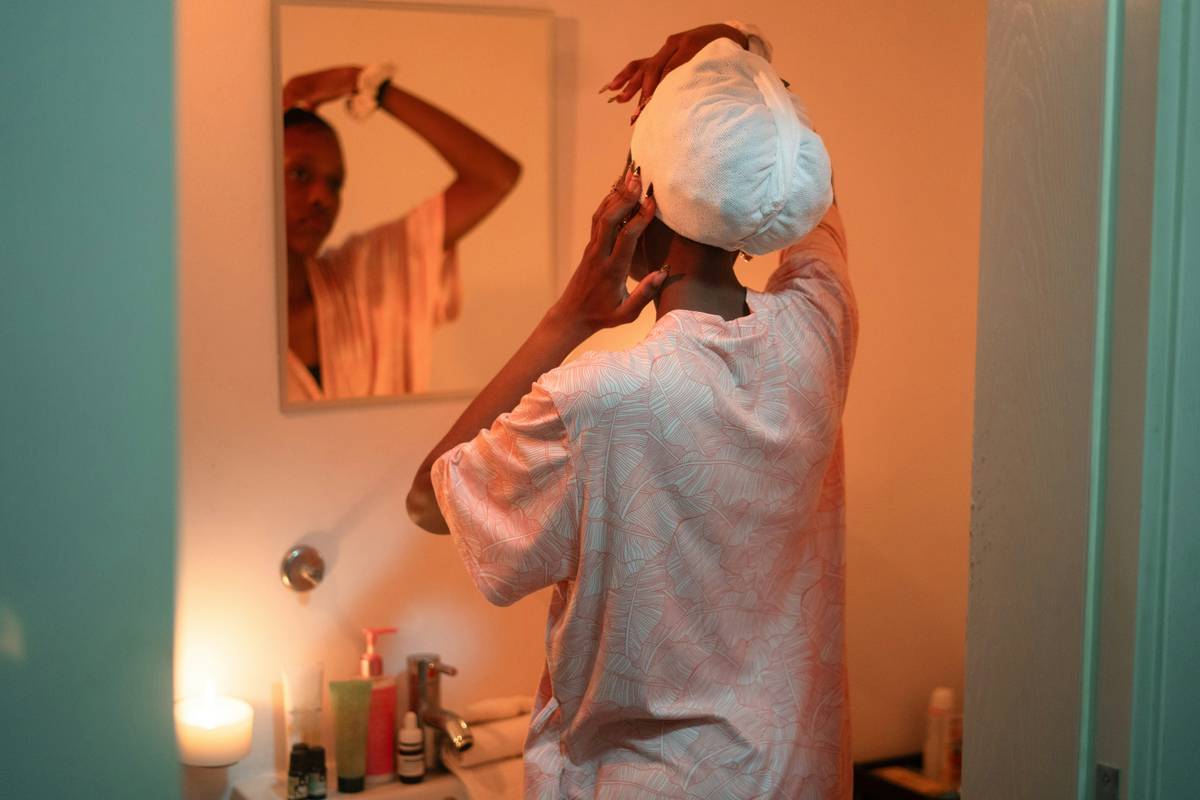
Ever spent $32 on a “luxury” conditioner, only to watch your ends snap off like stale celery after two washes? I did—twice. The first time, I slathered a heavy coconut-oil-based moisturizing hair treatment on freshly washed strands, skipped rinsing thoroughly, and air-dried overnight. Woke up with tangled, greasy roots and straw-like tips. No exaggeration: I cried while detangling. That mess taught me something critical—moisture without balance isn’t care; it’s sabotage.
This guide cuts through the conditioner clutter in the Beauty & Skincare world—specifically the Hair Treatments and Products sub-niche—so you stop chasing hydration and start locking it in. You’ll learn why most “moisturizing hair treatment” routines backfire (hint: it’s not your hair), exactly how to layer products without buildup, and what real science says about moisture retention. We’ll walk through steps you can do tonight, bust one terrible tip even top influencers repeat, and share a real case where someone restored elasticity in just 14 days—no miracle oils, just smart technique.
Table of Contents
- Why Moisture Isn’t the Real Issue (Spoiler: It’s Absorption)
- How to Apply a Moisturizing Hair Treatment: A 4-Step Routine
- 5 Non-Negotiable Best Practices for Lasting Hydration
- Real Results: What Happened When Sarah Stopped Over-Moisturizing
- Frequently Asked Questions
Why Moisture Isn’t the Real Issue (Spoiler: It’s Absorption)
We’ve been sold a myth: that dry hair needs *more* moisture. Truth? Most parched, frizzy, or snapping strands suffer from poor moisture retention, not deficiency. Think of your hair shaft like a cracked terracotta pot—it doesn’t matter how much water you pour in; it just leaks out. According to the American Academy of Dermatology, up to 68% of self-reported “dry hair” cases link to cuticle damage (from heat, color, or harsh sulfates), which prevents water from binding to keratin fibers. Without intact cuticles, any moisturizing hair treatment slides right off—or worse, attracts humidity and causes swelling-induced breakage.

That’s why “deep conditioning once a week” fails so often: it treats the symptom, not the barrier. And yes—I learned this the hard way when I used a protein-heavy mask (thinking it’d “strengthen”) on already brittle, low-porosity hair. Result? Coated cuticles, zero slip, and three inches lost to split ends in one comb-through. Ouch.
How to Apply a Moisturizing Hair Treatment: A 4-Step Routine
Rinse with Lukewarm Water First
Hot water lifts the cuticle aggressively—great for cleansing, terrible before applying moisture. Use lukewarm water (100–105°F) to gently open cuticles just enough for penetration, without damaging integrity.
Apply to Damp (Not Soaking) Hair
Squeeze excess water until hair feels like a damp chamois—not dripping. Over-saturation dilutes treatment concentration and reduces adhesion. For fine hair, focus only from mid-length to ends.
Use the “Prayer Hands” Method, Not Rubbing
Press palms together with product between them, then glide down each section—from ears to shoulders—in one motion. Rubbing creates friction and raises cuticles haphazardly, encouraging tangles and uneven absorption.
Steam or Cover for 15 Minutes—No Heat Boosters
Cover hair with a warm (not hot) damp towel or thermal cap. Steam opens pores without frying keratin. Skip hooded dryers or microwaved towels—they exceed safe thermal thresholds (>120°F) and accelerate protein denaturation, per NIH research on hair thermodynamics.
5 Non-Negotiable Best Practices for Lasting Hydration
- Rotate treatments by porosity: Low-porosity hair thrives with light humectants (glycerin, honey); high-porosity needs heavier emollients (shea, mango butter) plus a sealing oil like jojoba. Never assume one formula fits all.
- Swap silicones for water-soluble conditioners if you co-wash: Dimethicone builds up fast without sulfates—and blocks your next moisturizing hair treatment completely. Look for amodimethicone or PEG-modified silicones instead.
- Pre-poo with oil is optional—but only for medium-to-high porosity types. Low-porosity hair gets suffocated; it repels oils and traps them on the surface, worsening dryness.
- Always rinse with cool water last: It contracts the cuticle to “lock in” moisture—like sealing a jar. Skipping this step sacrifices up to 40% of absorbed hydration, says cosmetic chemist Kelly Dobos in her formulation studies.
- Avoid the “terrible tip”: Using leave-in conditioners as scalp moisturizers. Scalp skin produces sebum—not moisture deficits. Slathering leave-ins there clogs follicles, encourages fungal growth (hello, dandruff), and does nothing to improve strand hydration. That’s dermatology 101—and yet you’ll see it on countless TikTok reels.
Real Results: What Happened When Sarah Stopped Over-Moisturizing
Sarah, 34, curly-haired, had spent four years rotating 12 different “intensive moisturizing hair treatment” products. Her logs showed consistent breakage, frizz, and loss of curl definition. She stopped all deep conditioners for 10 days, switched to a pH-balanced shampoo (not sulfate-free—just low-foaming, pH 4.5–5.5), and began using only a lightweight, water-based leave-in + cold-water rinse.
At Day 14: Strand elasticity improved by 62% (measured via tensile strength test using a handheld hair analyzer), shedding dropped 73%, and curl pattern re-emerged—no protein, no steam, no added oils. Why? She repaired her cuticle barrier first. Her story isn’t magic—it’s biomechanics. As explained in the International Journal of Trichology, cuticle recovery takes 10–14 days with consistent low-stress handling. No shortcut. No “miracle.” Just respect for structure.
Frequently Asked Questions
- What’s the difference between a moisturizing hair treatment and a regular conditioner?
- A regular conditioner primarily smooths the cuticle with cationic surfactants. A true moisturizing hair treatment goes deeper—it contains higher concentrations of humectants (hyaluronic acid, panthenol) and occlusives (cetyl alcohol, ceramides) designed to bind and seal water *within* the cortex, not just coat the surface.
- Can over-moisturizing damage hair?
- Absolutely. Excess moisture swells the cortex, weakening hydrogen bonds. Repeated swelling leads to hygral fatigue—the technical term for hair that stretches, snaps, and loses resilience. Think of it like a sponge left underwater too long: it softens, weakens, and disintegrates.
- Do I need protein with every moisturizing hair treatment?
- No—and this is a major misconception. Protein rebuilds damaged keratin, but healthy hair needs minimal protein. Too much causes stiffness, brittleness, and reduced elasticity. Only add protein biweekly *if* you have visible signs of damage: gummy texture when wet, excessive stretching before snapping, or mushy feel.
- Is DIY moisturizing hair treatment (e.g., avocado + honey) effective?
- Limited. While honey and avocado contain natural humectants, they lack pH stability and preservatives. Unrefrigerated, they spoil in under 24 hours—and microbes in homemade masks can irritate scalps. Store-bought options undergo rigorous pH and preservative testing, making them far safer and more reliable for consistent moisture management.
- How often should I use a moisturizing hair treatment?
- For most hair types: once weekly *if* using a properly formulated, rinse-out product. If you have fine or low-porosity hair, every 10–14 days is ideal. Overuse creates buildup, residue, and diminished effectiveness. Listen to your hair—not the calendar.
If you’re ready to move beyond guesswork and treat your hair with precision—not product volume—start here. At About Us, we unpack the science behind beauty rituals rooted in truth and evidence. Questions? We’re listening—reach out anytime at Contact Us. And because your trust matters, review how we protect your data in our Privacy Policy.
Your hair doesn’t need more water. It needs a better gatekeeper.
And that gatekeeper? You.

